
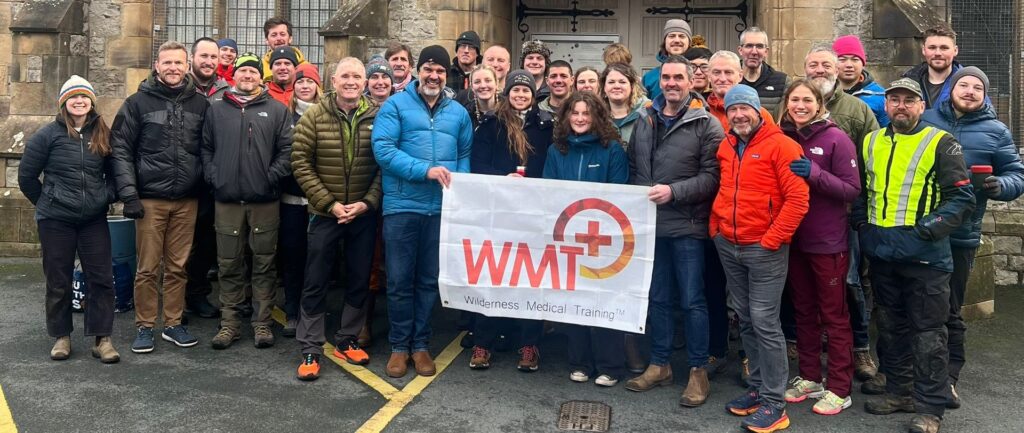
Delegate feedback
Every single session was extremely useful, but the practical sessions were absolutely great!
Very, very, very good. All excellent. (about WMT instructors)
Fantastic course!
Very experienced advice and all content just right.
Brilliant!
…sometimes you come across people who are delivering a service or a product that is so good, so well designed and delivered, and so far ahead of the competition that they’re really operating in their own self-created realm of excellence.
Read this student blog post
Course outline & key info
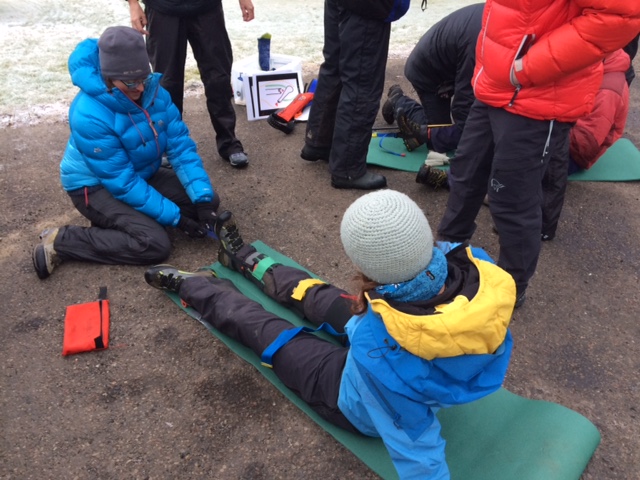
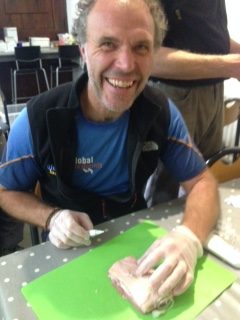
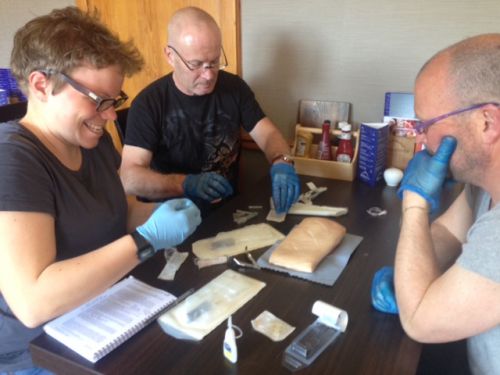
Taught by expedition doctors, Advanced Medicine – a gold standard – is WMT’s most comprehensive Explorer course for laypeople. This intensive 4-day syllabus covers injury and illness management and the use of prescription only medicines (POMs) in addition to specialised invasive training including stapling wounds, giving intramuscular injections and administering subcutaneous fluids. Other training includes; advanced fracture management, injecting local anaesthetic, reconstituting drugs, handling “sharps” and outdoor moulage/scenario training. (Note that Advanced Medicine is our Far From Help 2 day course + Far From Help Part 2.) The aim of Advanced Medicine is to build confidence and achieve a thorough grounding in providing advanced care in all remote environments to patients who are injured and ill. 2-year certification. No pre-requisite to attend. A demanding course with a final written exam.
Course fees include VAT (20%), teas/coffees, course manual and a certificate. (Non-residential. Kendal is well served with accommodation options).
Course Dates Details Advanced Medicine
Advanced Medicine is GOLD standard training to manage illness & injury conditions including the use of selected POMs (prescription only medicines) and invasive techniques (injections, stapling wounds, sub-cut fluids). Pick a date to see course details...
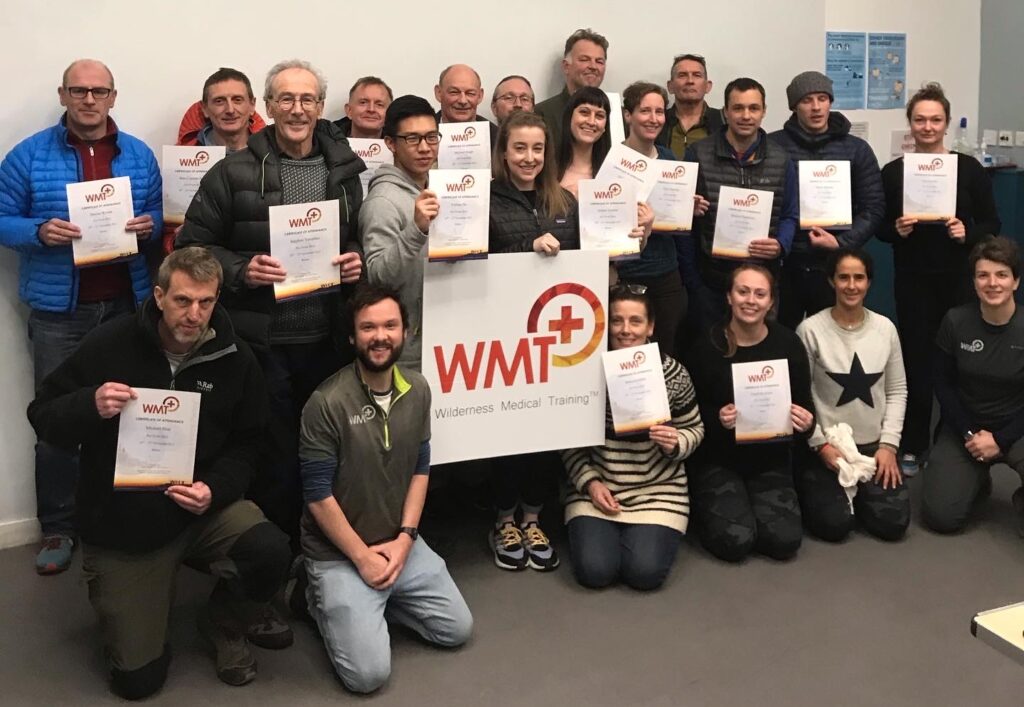



Target audience
Excellent training by doctors + a comprehensive field manual + POM authorisation = one stop shopping for the solo traveller, families, private teams, leaders, large expedition teams and others. Advanced Medicine has been attended by hundreds of professional and amateur explorers (for example: geologists, teachers, film/TV pros, climbers, university researchers) seeking autonomy over their health and well being during remote travels.
Prescription medicines & accreditation
Advanced Medicine training covers what medical supplies to take so you can add antibiotics, high altitude medicines, strong pain killers, Penthrox and other useful injectable medicines to your medical kit such as adrenaline vials, Stemetil, dexamethasone, lignocaine and more.
WMT issues a certificate which is valid for 2 years and accepted by most, if not all, UK NGB awards.
Course timetable & content
Advanced Medicine is run as two back to back 2-day course modules over 4 days – the first 2 days are Far From Help and the final 2 days is FFH Part 2/Advanced Refresher.
The actual timings and running order may vary course to course depending on the number of instructors and delegates. All content is directly covered or in the extensive course manual. Times are indicative only and START/FINISH times will be confirmed in the pre-course dossier issued for specific course dates.
Day 1 – Trauma
09.00 Introductions & aims
09.15 Group work – Expedition medical planning
10.00 Approach to critical patients
10.15 Practical sessions 3 x 30 mins
1. cABCDE focused on cAB (CAT, airway, breathing)
2. BLS (basic life support)
3. AED use / recovery position
11.45 Lecture C – Shock
12.15 Demo – shocked patient, tourniquets and Israeli bandage
12.45 Lunch (practice with tourniquets / Israeli bandages)
13.15 Lecture – D – Head & spinal injury
13.45 Practical demo – E – hypothermia mitigation
14.00 Lecture – basic fracture & dislocation management / pain, Penthrox
14.45 Practical sessions – 2 X 30 mins
1. cABCDE focused on D and spinal care, logroll
2. basic fracture / dislocation management
16.15 Lecture – Wound & burn management: using Steri-Strips & glue, dressing wounds
17.30 Close – Evening work briefing: Assessments 1-4 & Nursing cases
Day 2 – Medical & Environmental
08.30 Lecture – How to take a patient history
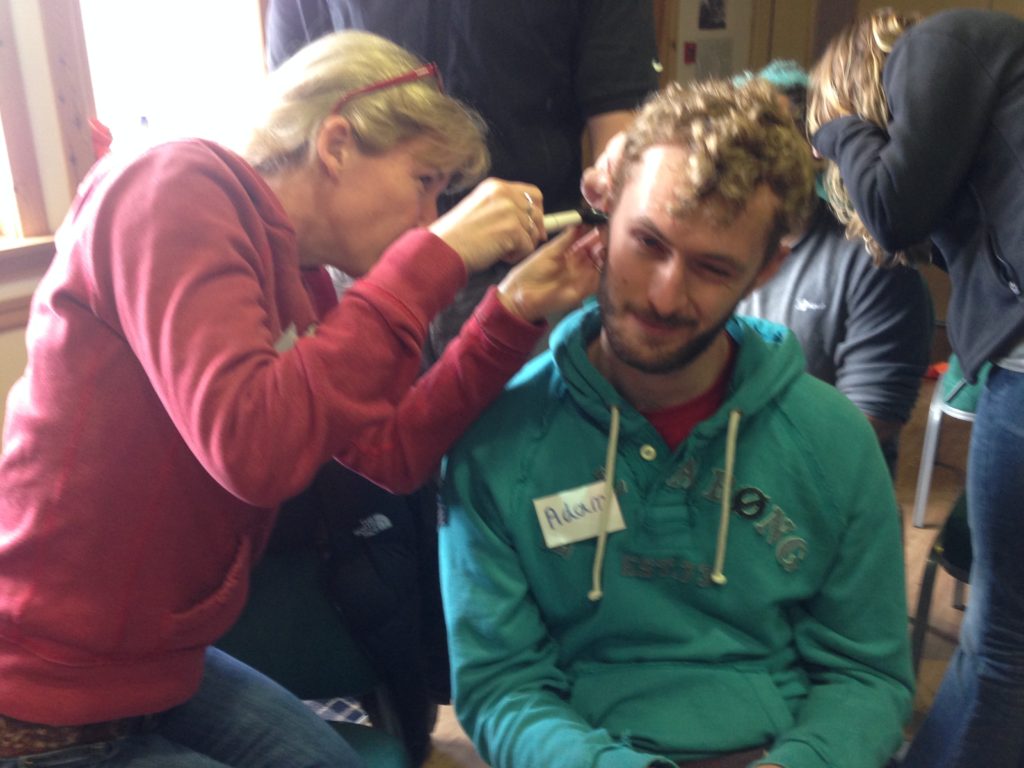
08.45 Practical sessions 2 x 35 mins
– History taking
– Examining ENT (ear, nose, throat) & eyes
10.00 Group tutorials
– Heat injury
– Altitude sickness
11.00 Debrief nursing cases
11.30 Lecture: cold, frostbite and hypothermia
12.15 Lunch
12.45 Important illnesses – heart, gut, asthma, diabetes, diarrhoea
13.45 Anaphylactic shock & use of auto injector, EpiPen “hack”
14.15 Legal issues
14.45 Lecture – Medical kits, FFH meds
15.30 Assessments 5-6
16.00 Written examination / debrief
17.00 Final questions / FFH certificates / farewell & feedback from FFH students
17.30 Depart
Day 3 – Invasive training
9.00 Introductions & aims of FFH2 – welcome to alumni
9.15 Training outdoors: trauma scene management, – vehicle scene safety, femoral splints & pelvic binder, patient packaging & moving
11.00 Break
11.30 Lecture – Medical problems 1 – ill patient management, asthma, genital problems, stroke
12.30 Lunch (review of BLS for FFH Part 2 alumni)
13.00 Recap – allergic reactions, i.m. adrenalin
13.15 Intramuscular injections & handling sharps: lecture & demo
Drawing up drugs, diluting drugs, injecting
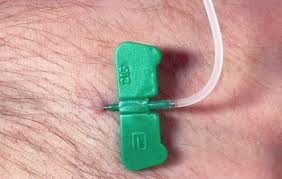
Subcutaneous fluids
Advanced wound management: injecting local anesthetic & stapling wounds
1600 Case-based discussions: Fever / malaria rapid test kit & asthma (spacer use, medication regimes)
17.00 Evening work – Triage and assessments 1-6 (FFH2 students)
Day 4 – Application of skills
09.00 Medical scenarios outdoors
11.30 Triage exercise debrief
11.45 Lecture – prolonged field care & advanced pain management: i.m. tramadol / Penthrox
12.30 Discussion – emotional wellness & remote travel
12.45 Lunch
13.15 Lecture – Medical problems 2 inc tropical problems
14.00 Break
14.30 Lecture – advanced med kits & supplies
15.15 Written exam / debrief
16.15 Final questions / certificates / feedback
Close & farewell (1700 latest)
Note: some of the skills taught, and the use of prescription-only-medicines (POMs) and injections especially, are not appropriate for use in the UK or where if professional medical support is readily available. It is best practice for laypeople to seek professional medical advice whenever possible before giving prescription medications to a patient in the field.
Downloads & pre-reading
Updated guidance for medical provision for wilderness medicine 2019
6 thoughts on “Advanced Medicine”
Comments are closed.