
Course outline & key info
Taught by expedition doctors, Far From Help – FFH – is WMT’s Explorer in-depth foundation course for non-medics. Content includes treating common expedition injuries, illnesses and using medicines. Participants learn about using prescription only medicines (POMs) such as antibiotics, altitude drugs and pain killers. FFH training may enable you to resolve an injury, infection or illness condition in the field and make your patient more comfortable by the control of pain, sickness and fever. No pre-requisite to attend. End of course exam. 2-year certfication. FFH is a demanding course superior to any “expedition first aid” course out there. FFH is frequently delivered as private training for UK groups and across the world.
Course fees include VAT (20%), teas/coffees, course manual and a certificate.(Non-residential. Kendal is well served with accommodation options and train services to mainline Oxenholme for the Lake District). The venue postcode is LA9 4DN.
| Course | Dates | Details |
|---|---|---|
| Far From Help FFH provides a solid grounding in illness & injury conditions including the use of selected POMs (prescription only medicines). | Pick a date to see course details... |
Delegate feedback
… my warmest thanks and congratulations for a superb course.
It actually exceeded expectations and I was amazed how much we covered in such a short time.
It was professional in every way.
Relaxed, engaging, highly informative.
We were being taught by someone who had been there, seen it and done it.
“WMT has set the standard by which wilderness first aid courses are judged”. Saturday Telegraph. Read the full article.
Target audience
Excellent training by doctors + comprehensive field manual = one stop shopping for the solo traveller, families, private teams and up to large expedition teams. FFH has been attended by well over 1000 teachers, leaders, travelers, explorers, film crew, overland drivers, climbers, divers, field researchers, university staff and many others. Whatever your mission, mode of travel, destination or sport – Far From Help training will train you to stay well on your overseas adventures.


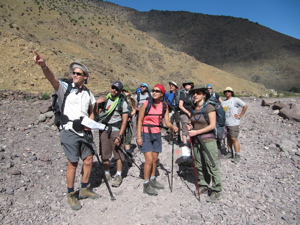
Prescription medicines – POMS
FFH training covers what medical supplies to take so you can consider adding antibiotics, high altitude medicines, strong pain killers and other useful medicines to your medical kit. WMT’s comprehensive Explorer course manual serves as an essential field aide memoire.
Accreditation
WMT issues a FFH certificate which is valid for 2 years and accepted by most, if not all, UK NGB awards. See also Accreditation.
Outline timetable & content
The actual timings and running order may vary course to course depending on the number of instructors and delegates. All content is directly covered or in the extensive course manual. Times are indicative only and START/FINISH times will be confirmed in the pre-course dossier issued for specific course dates.
Day 1 – Trauma
09.00 Introductions & aims
9.15 Group work – Expedition medical planning
10.00 Approach to critical patients
10.15 Practical sessions 3 x 30 mins
1. cABCDE focused on cAB (CAT, airway, breathing)
2. BLS (basic life support)
3. AED use / recovery position
11.45 Lecture C – Shock
12.15 Demo – shocked patient, tourniquets and Israeli bandage
12.45 Lunch (practice with tourniquets / Israeli bandages)
13.15 Lecture – D – Head & spinal injury
13.45 Practical demo – E – hypothermia mitigation
14.00 Lecture – basic fracture & dislocation management / pain, Penthrox
14.45 Practical sessions – 2 X 30 mins
1. cABCDE focused on D and spinal care, logroll
2. basic fracture / dislocation management
16.15 Lecture – Wound & burn management: using Steri-Strips & glue, dressing wounds
17.30 Close – Evening work briefing: Assessments 1-4 & Nursing cases
Day 2 – Medical & Environmental
08.30 Lecture – How to take a patient history
08.45 Practical sessions 2 x 35 mins
– History taking
– Examining ENT (ear, nose, throat) & eyes
10.00 Group tutorials
– Heat injury
– Altitude sickness
11.00 Debrief nursing cases
11.30 Lecture: cold, frostbite & hypothermia
12.15 Lunch
12.45 Important illnesses – heart, gut, asthma, diabetes, diarrhoea
13.45 Anaphylactic shock & use of auto injector, EpiPen “hack”
14.15 Legal issues
14.45 Lecture – Medical kits, FFH meds
15.30 Assessments 5-6 and written examination / debrief
17.00 Final questions / certificates / feedback & farewell
17.30 Depart
Note: some of the skills taught, and the use of prescription-only-medicines (POMs) and injections especially, are not appropriate for use in the UK or where if professional medical support is readily available. It is best practice for laypeople to seek professional medical advice whenever possible before giving prescription medications to a patient in the field.
Downloads & pre-reading
5 thoughts on “Far From Help”
Comments are closed.