
Expedition outline & key info
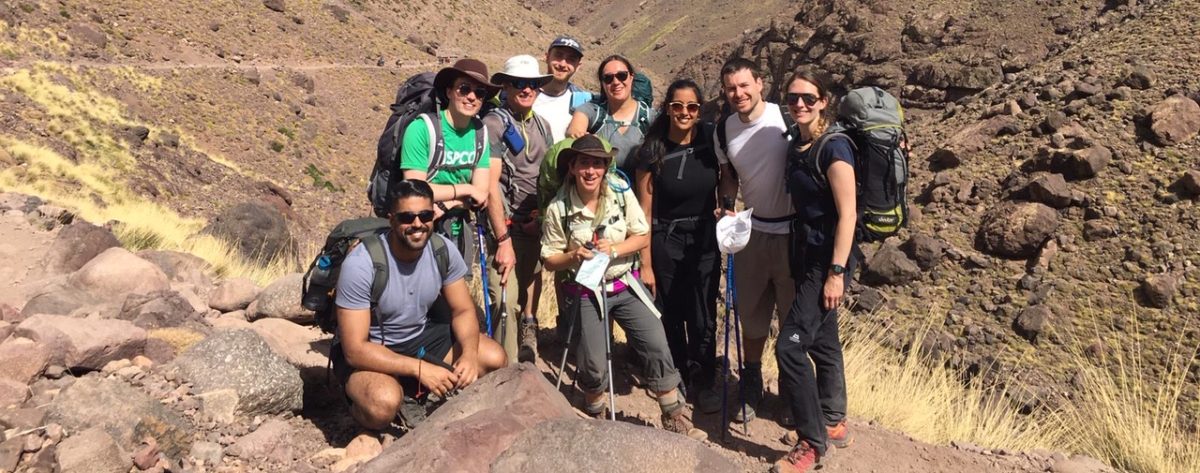
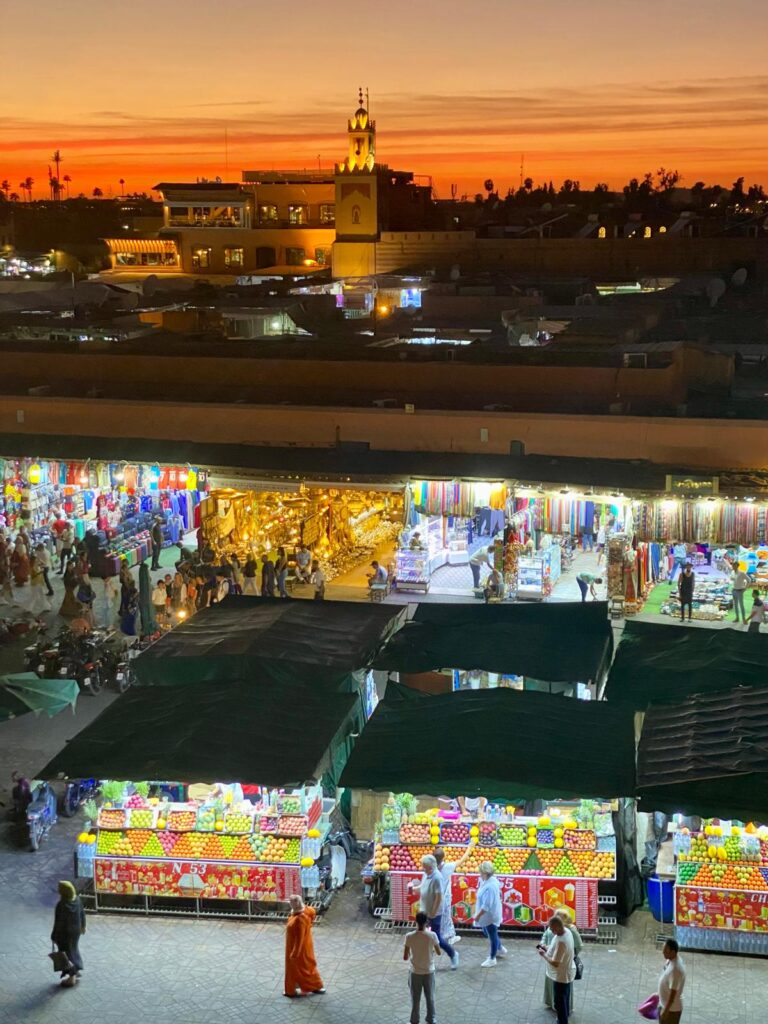
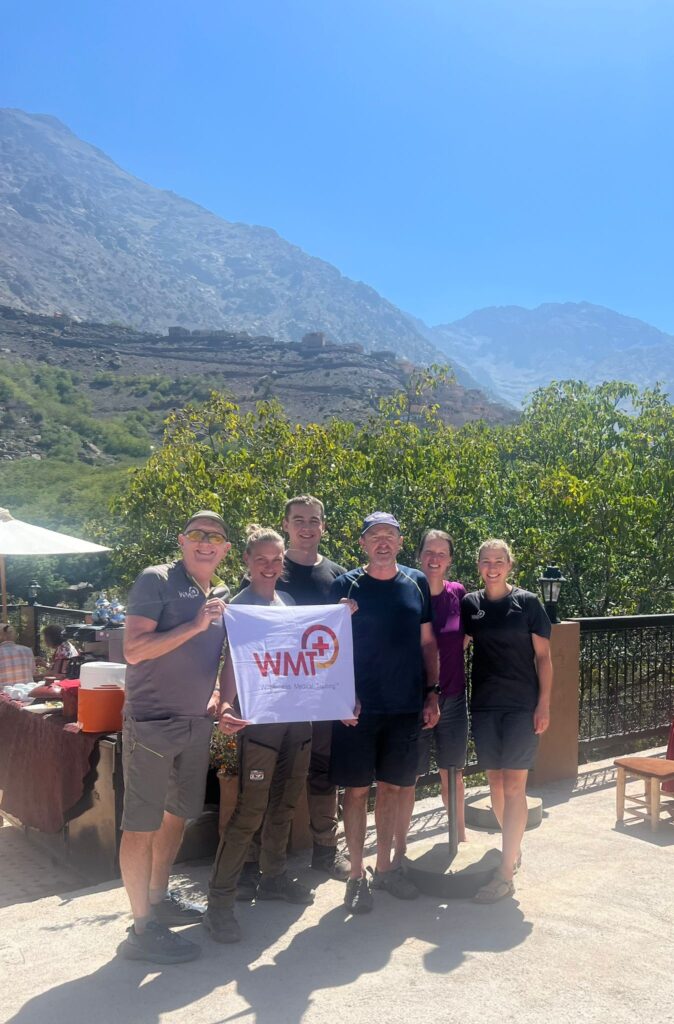
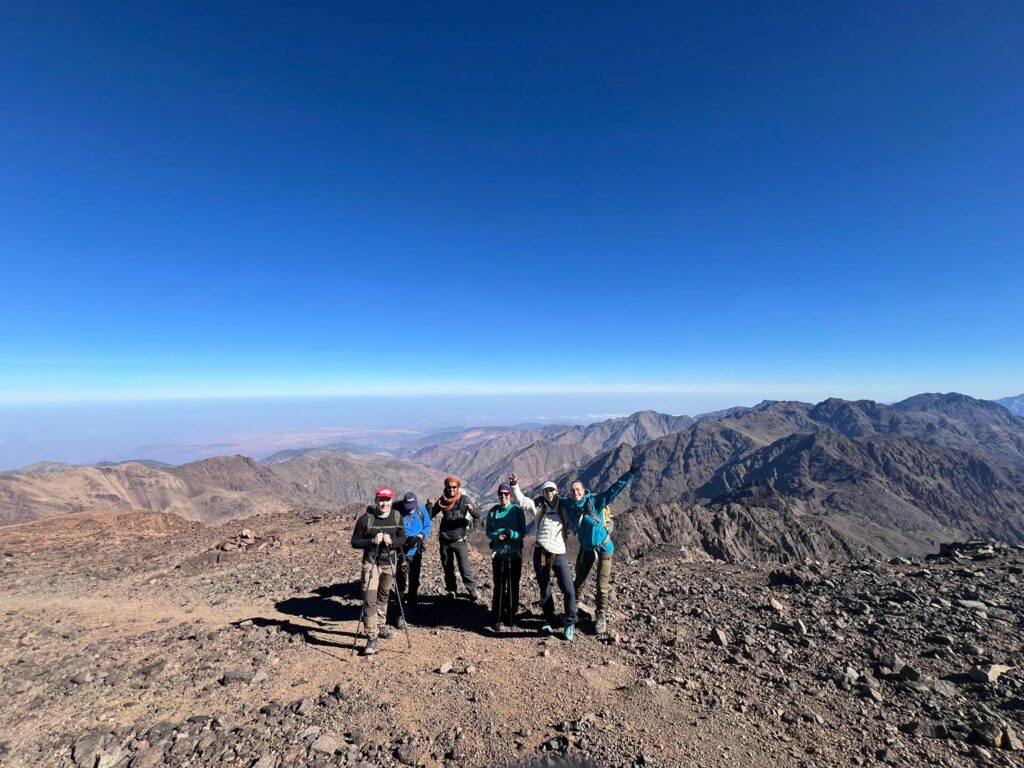
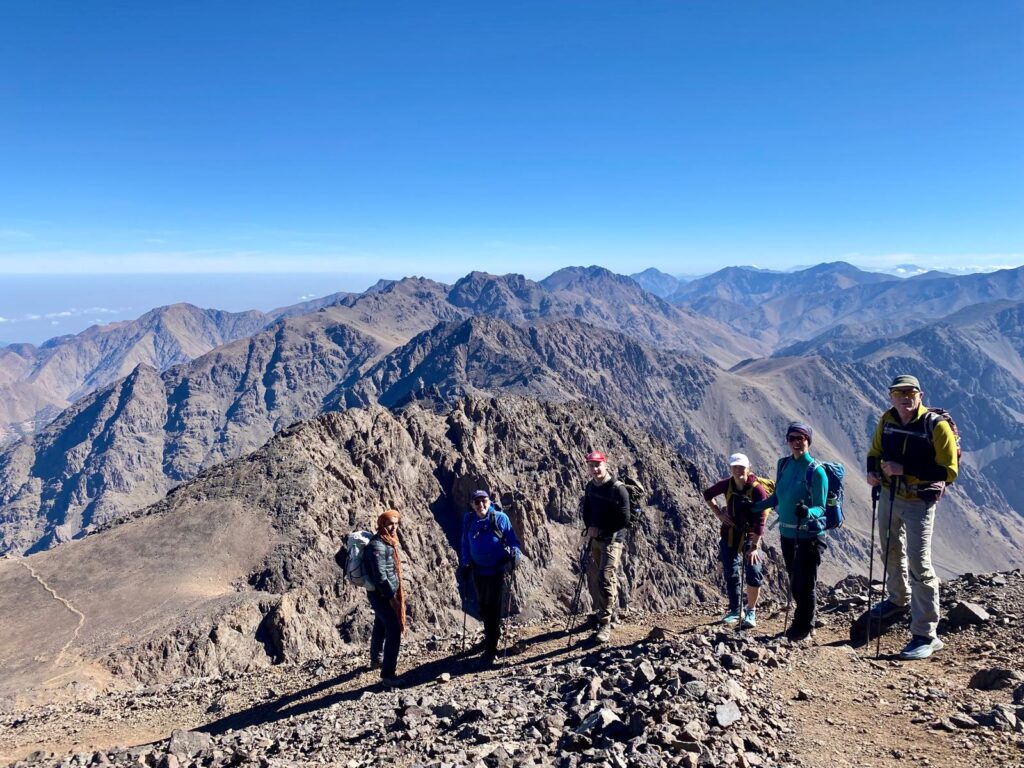
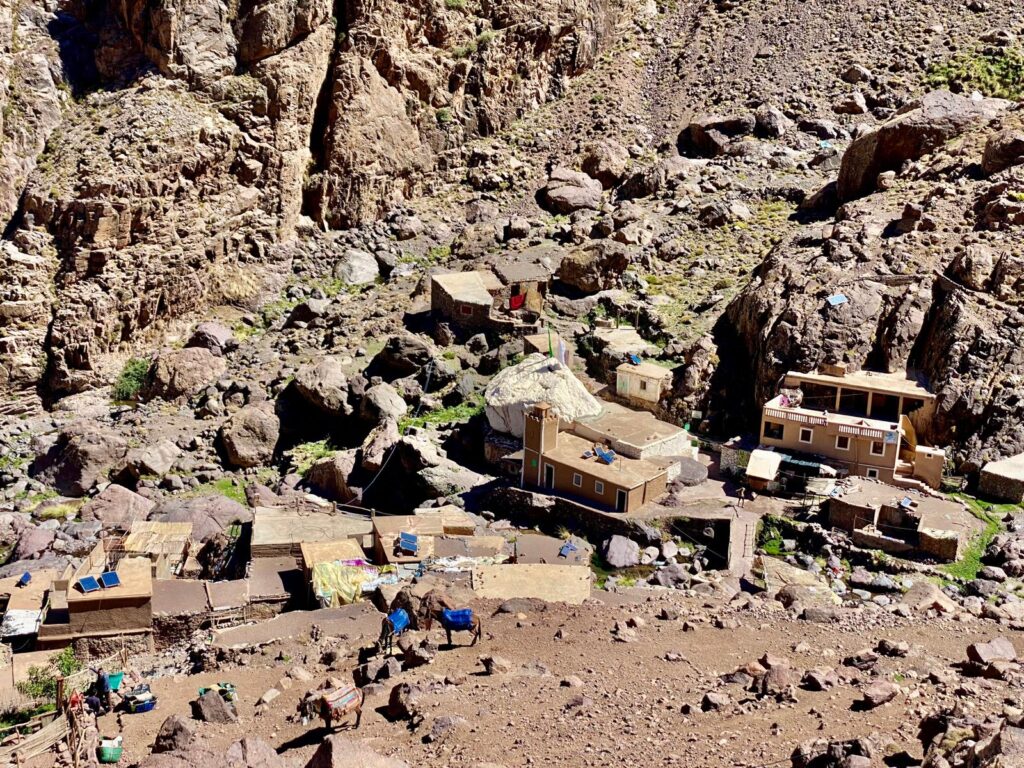
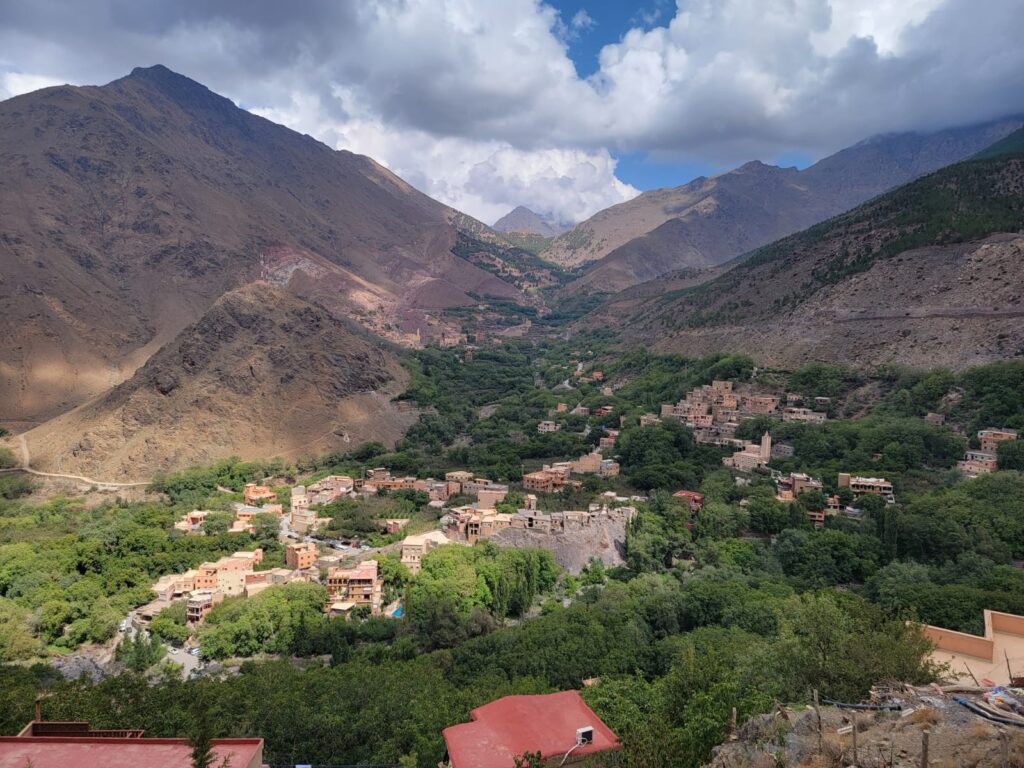
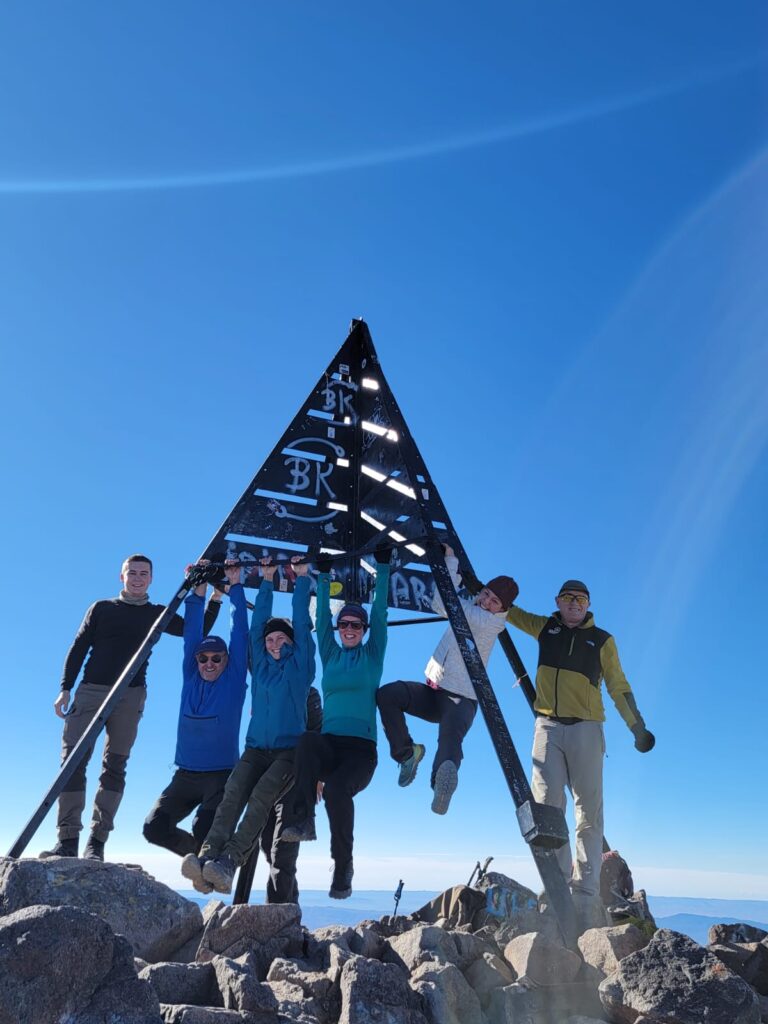
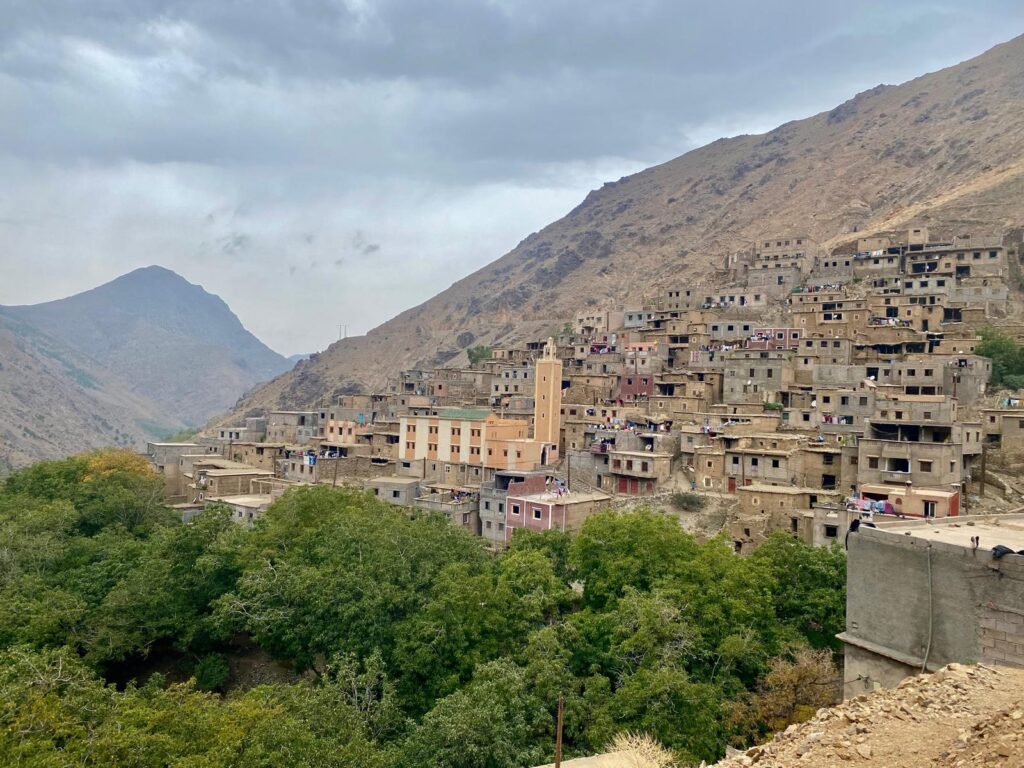
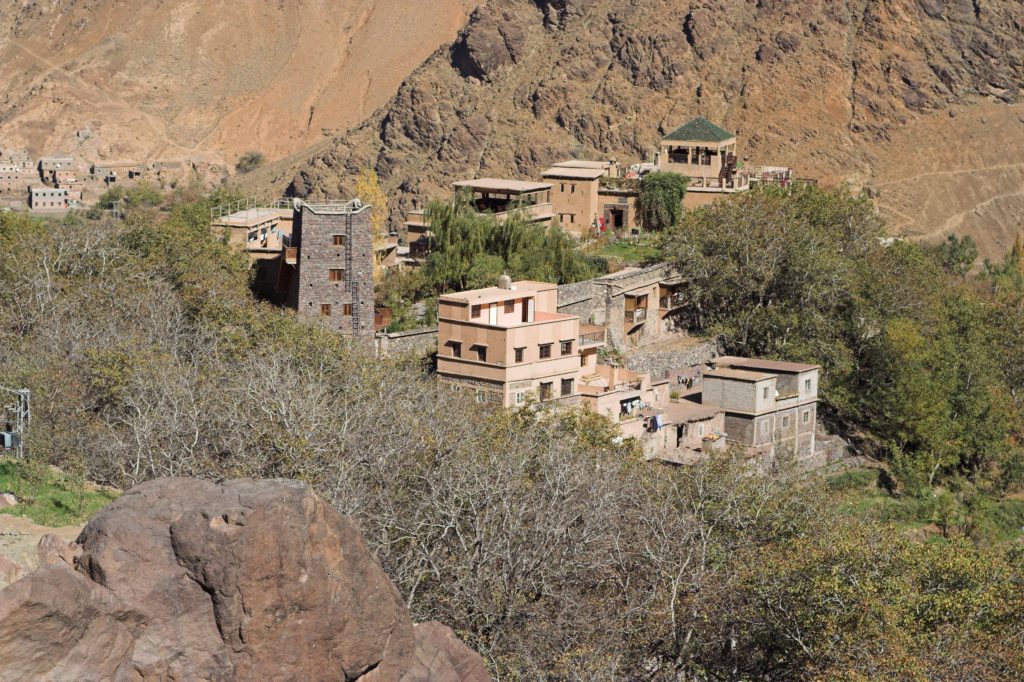
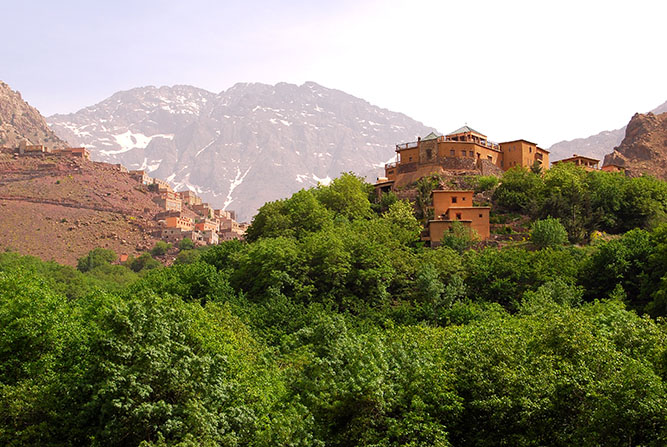
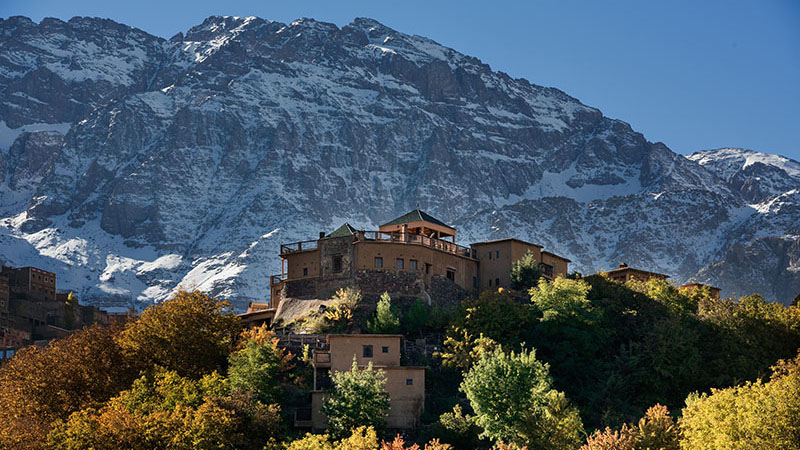
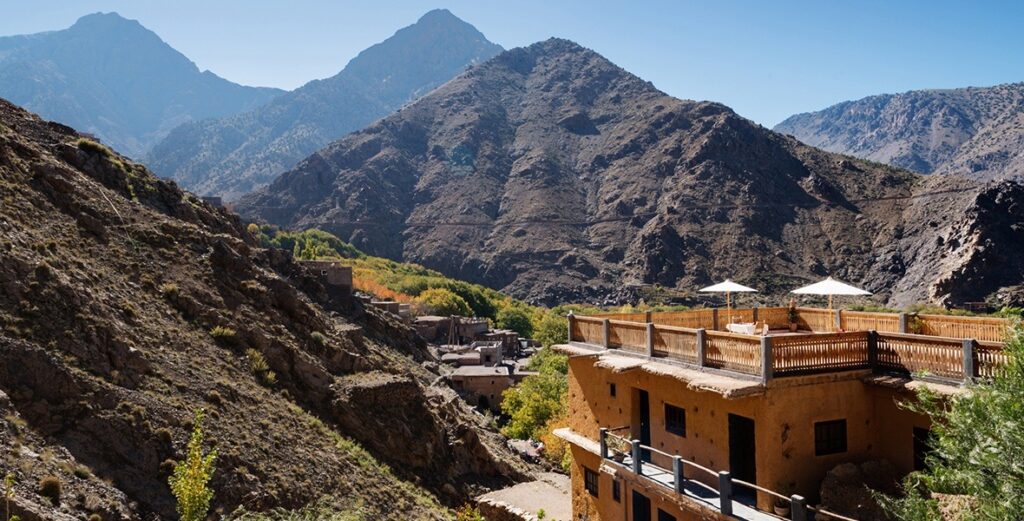
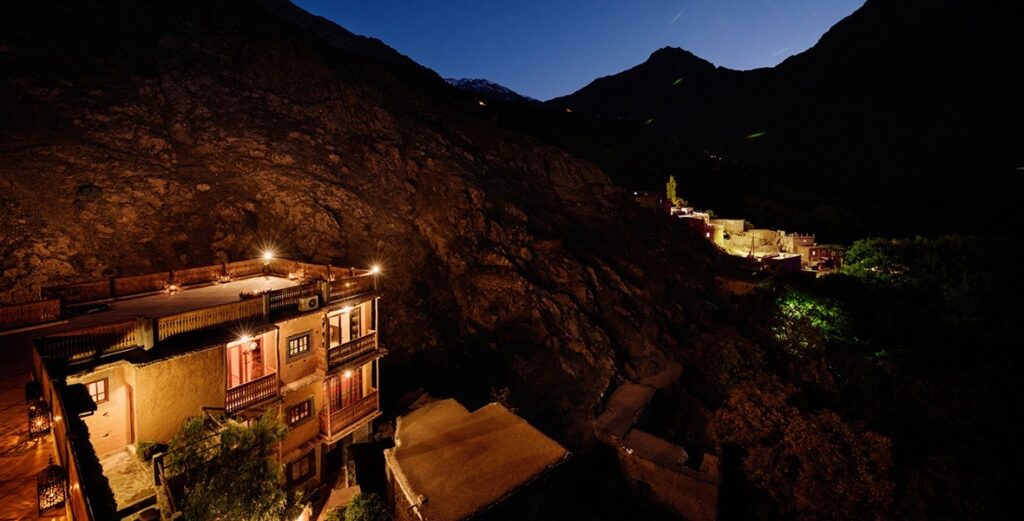
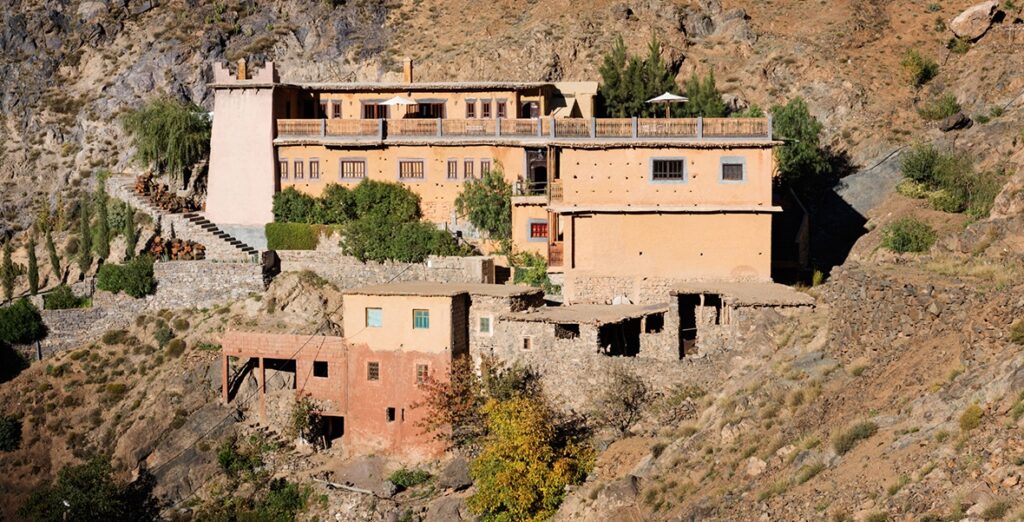
This exotic, educational and challenging trip that is normally run at the end of September and is packed with medical tuition and practical mountain skills training and aims to culminate with an ascent of Jbel Toubkal (4167m), the highest mountain in North Africa. You’ll experience inspiring teaching and how an expedition should be expertly administered and led. Delegates from diverse medical backgrounds (and often laypeople) attend to immerse themselves in many facets of austere medicine. We stay at three venues in-country starting for three nights at the authentic Hotel le Village du Toubkal (VDT) pictured below (outside Imlil village). Then we move up to a mountain refuge for two nights before returning for the final night in a central Marrakech hotel that is a few hundred metres from the famous souk (market) Jemaa el-Fna. Excellent preparation to become more confident in the hills and build the skills required of an expedition mountain medic. Fully inclusive of all in-country services, airport pick up, tuition/guiding and arrangements (food, accommodation, transport). The 2025 dates and fee is to be confirmed. Estimated worth 30 CPD hours. Read this review The Adventure Medic website.
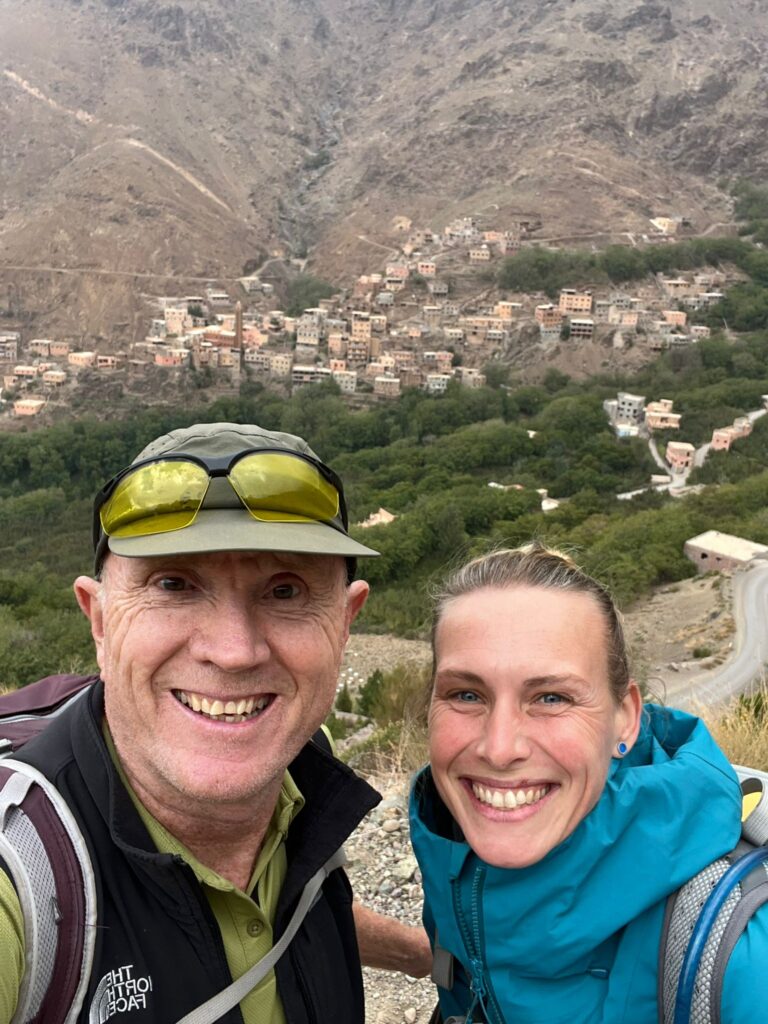
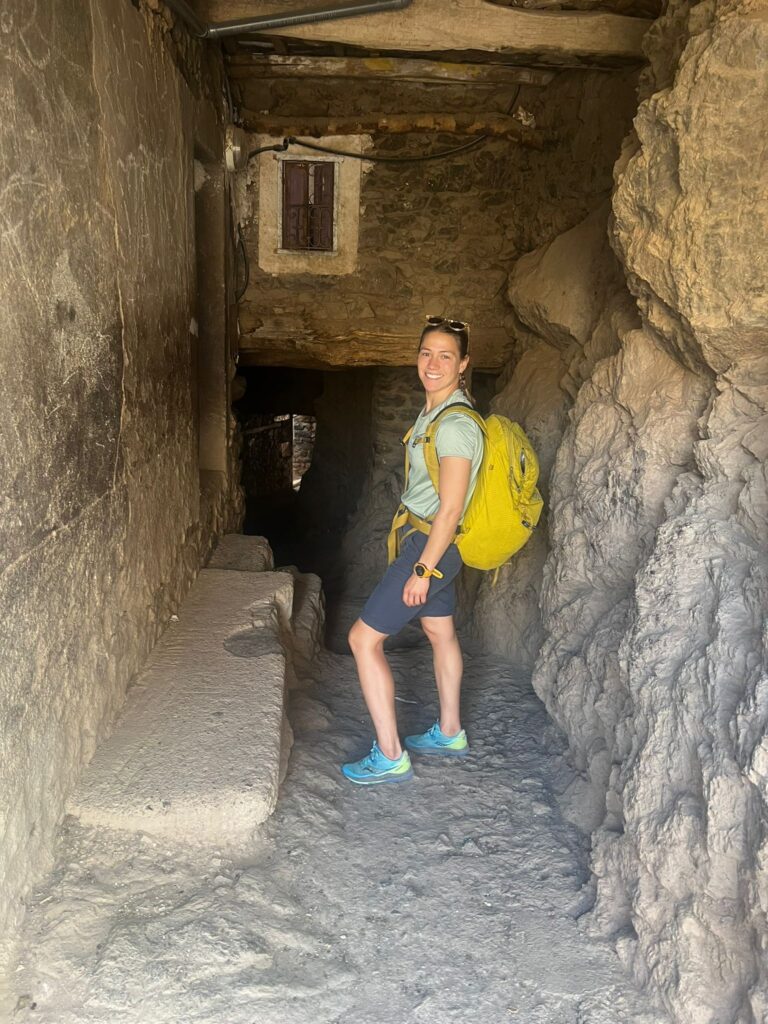
Delegate feedback
Fantastic week – engaging, inspiring, interesting
Great trip, instructors very approachable and fun, felt I learned loads – 10/10
Wonderful course – excellently planned & executed
Surpassed my expectations – thank you – worth every penny
Excellent course – perfectly pitched for all
Every bit of time used effectively
…a wonderfully supportive (teaching) team
Awesome course- great mix of learning & being active
I had a fantastic trip; it made me totally rethink my career! Will be recommending it to everyone!
Brilliant course – all very relevant, useful, fantastic content
Reviews, blogs & images
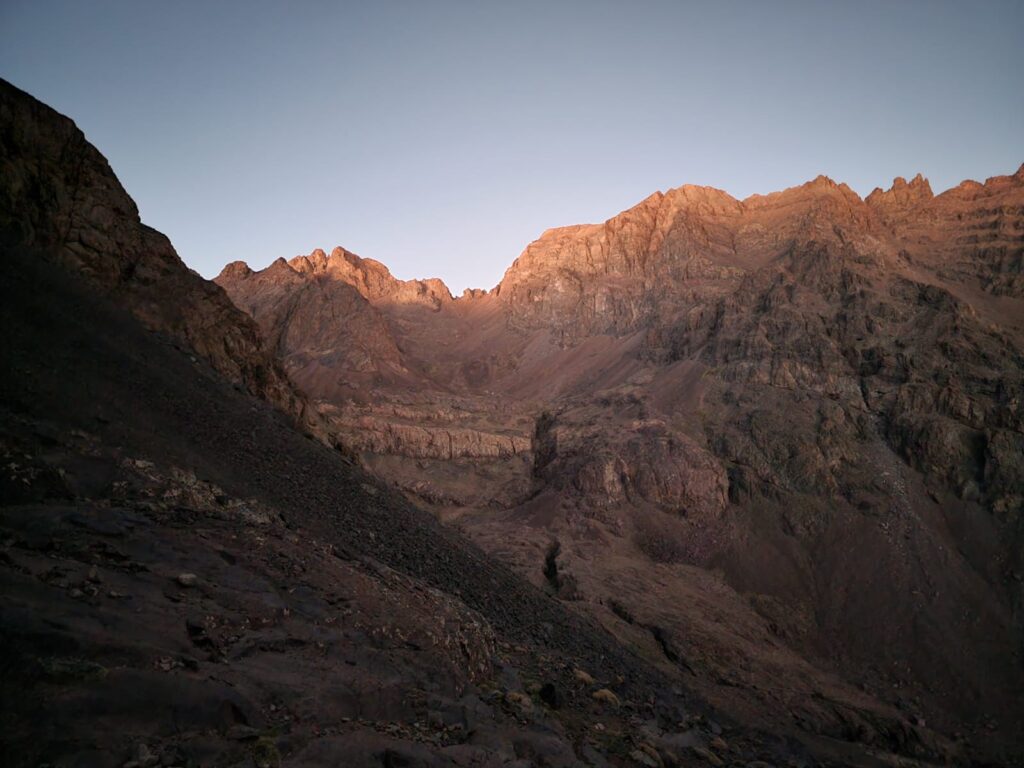
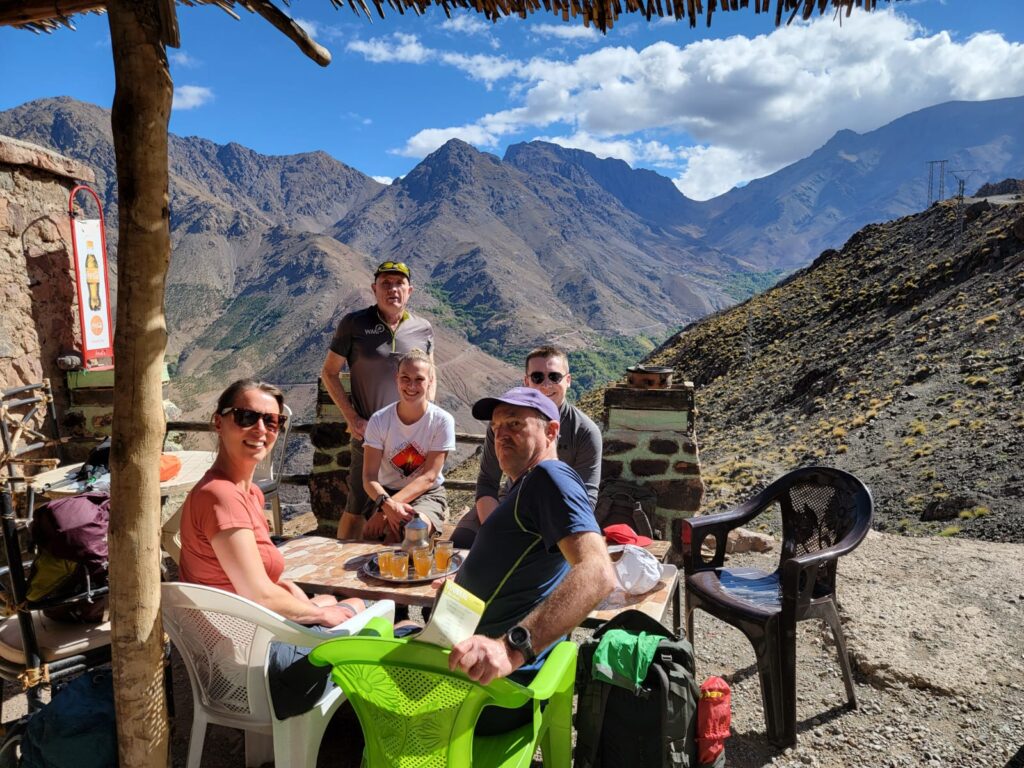
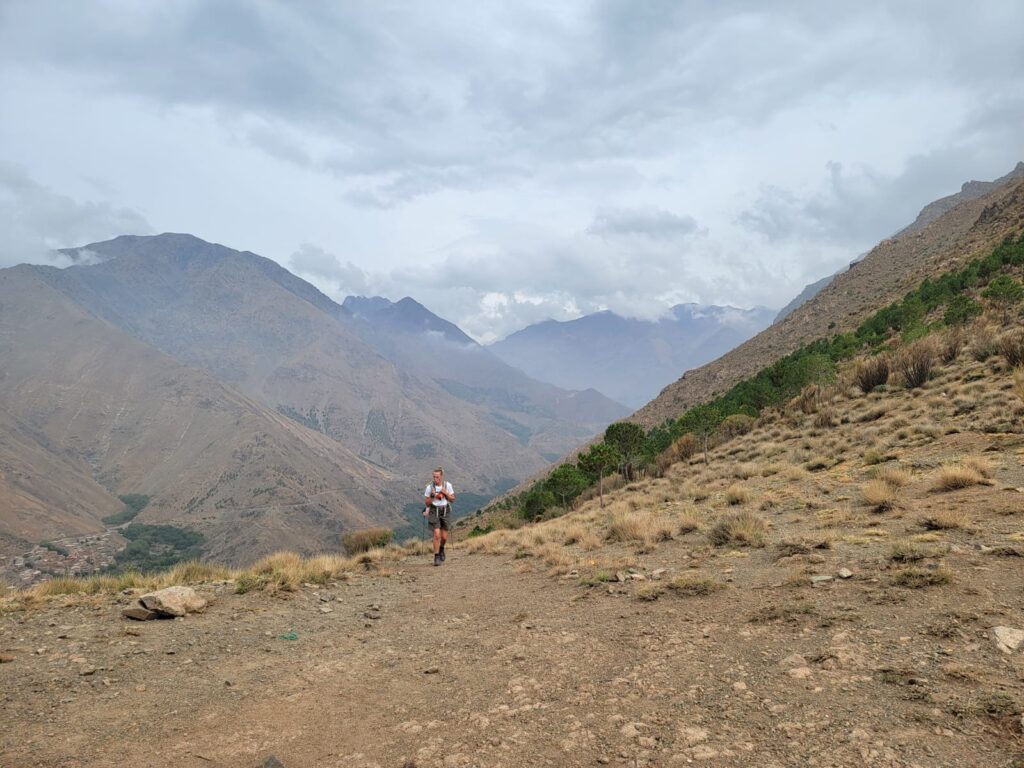
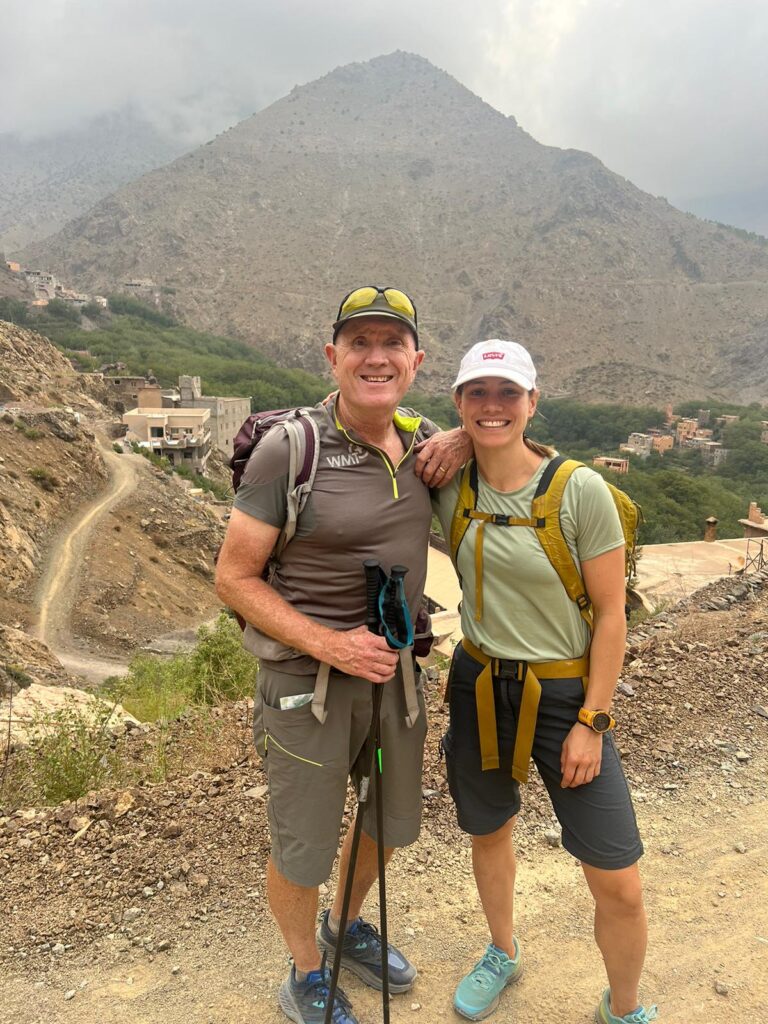
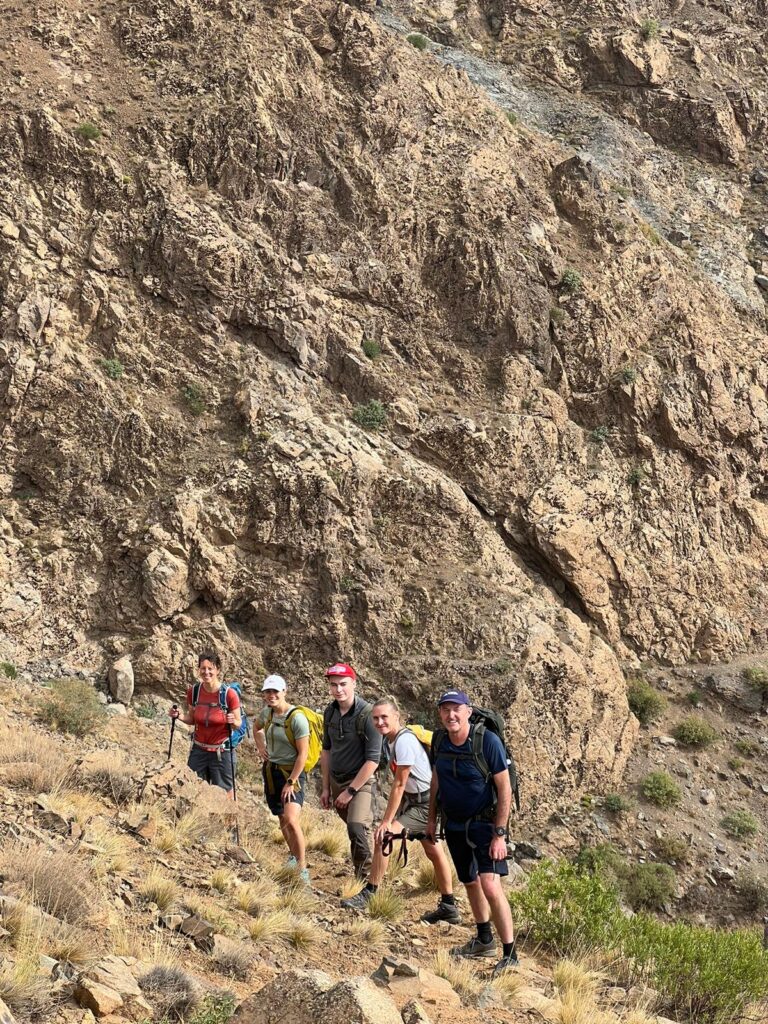
Read participant Dr Chris Grieco’s review of the 2021 expedition on The Adventure Medic website. Read also this write up about the course in The Kasbah du Toubkal’s online magazine page 6. Check out these great instructor photo albums of the Morocco trip – ALBUM 1 & ALBUM 2. Read Dr Ricardo Garbriel’s blog Into The Clouds about his 2017 WMT Morocco experience. About WMT in Morocco online magazine published by The Kasbah du Toubkal (page 6).
Flights to Marrakesh
Search SKYSCANNER for low-cost carriers that fly directly to Marrakech. Easyjet flys from Bristol, Manchester and Gatwick. Ryanair also has flights.
Travel insurance
Personal travel insurance is compulsory for this trip and must cover trekking to 4167m. Please be sure that you also understand WMT’s Terms & Conditions regarding refunds if you book then can’t join the expedition.
Who attends and other general info
Doctors of all grades, nurses, medical students, non-medics and OHPs usually attend. No prior climbing or expedition experience is required but you must be walking fit and capable of trekking for five days (only carrying a daypack). Motivation to attend varies. Some people come to prepare with the intention of accompanying an expedition team or supporting mountain events. Others wish to bolster their CV or simply to sample expedition medicine and mountain travel and have fun in a well supported group. Whatever your aim, this inspiring, active and educational week in the Moroccan mountains is great value.
Vegatarians can be catered for. Other special dietary needs or health/fitness concerns? Consult WMT before you book please.
There’s always course Whatsapp group so you can contact other delegates.
Our terms and and conditions are here. You are agreeing to them when you make a booking.
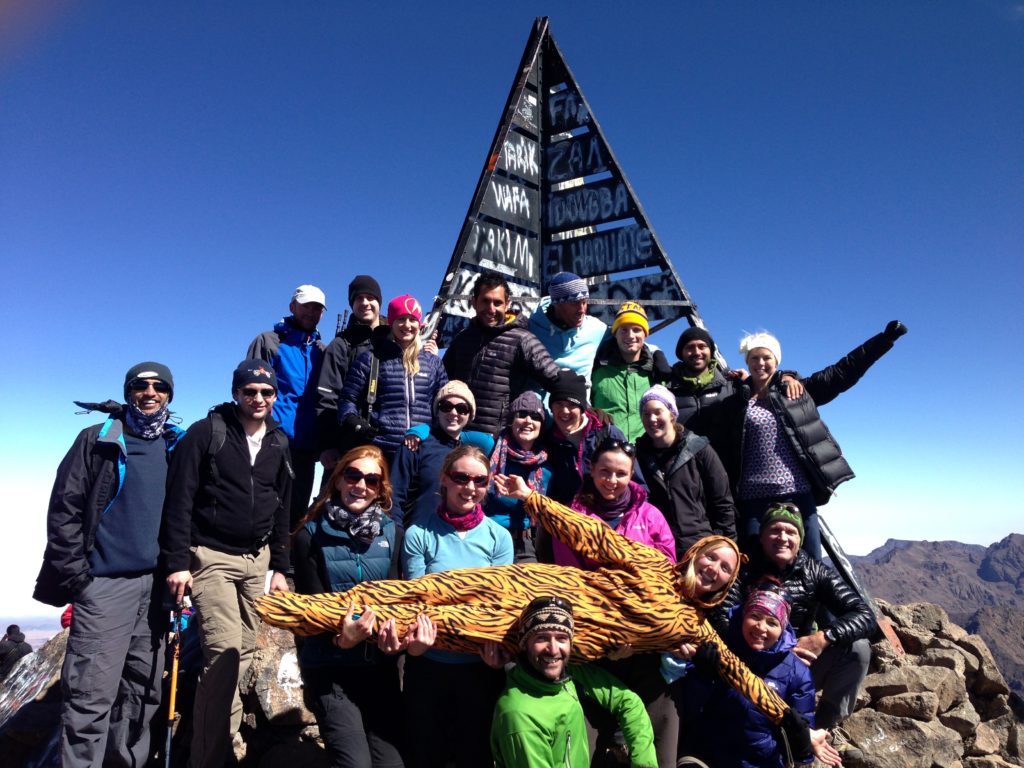
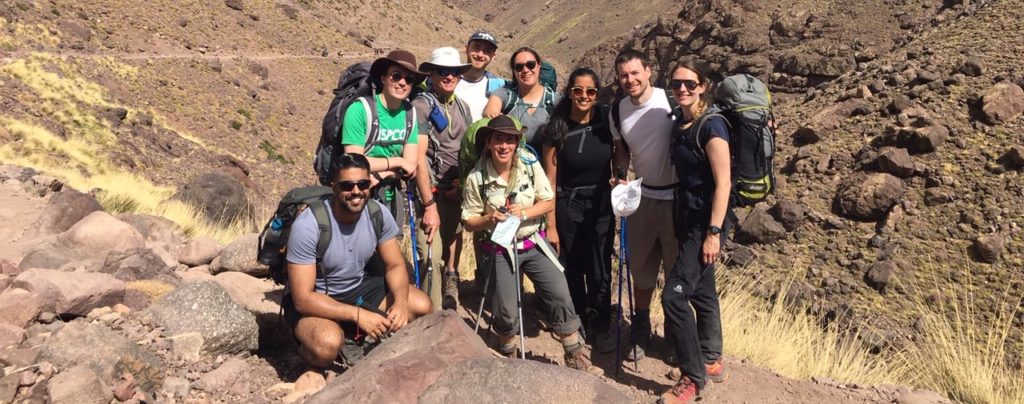
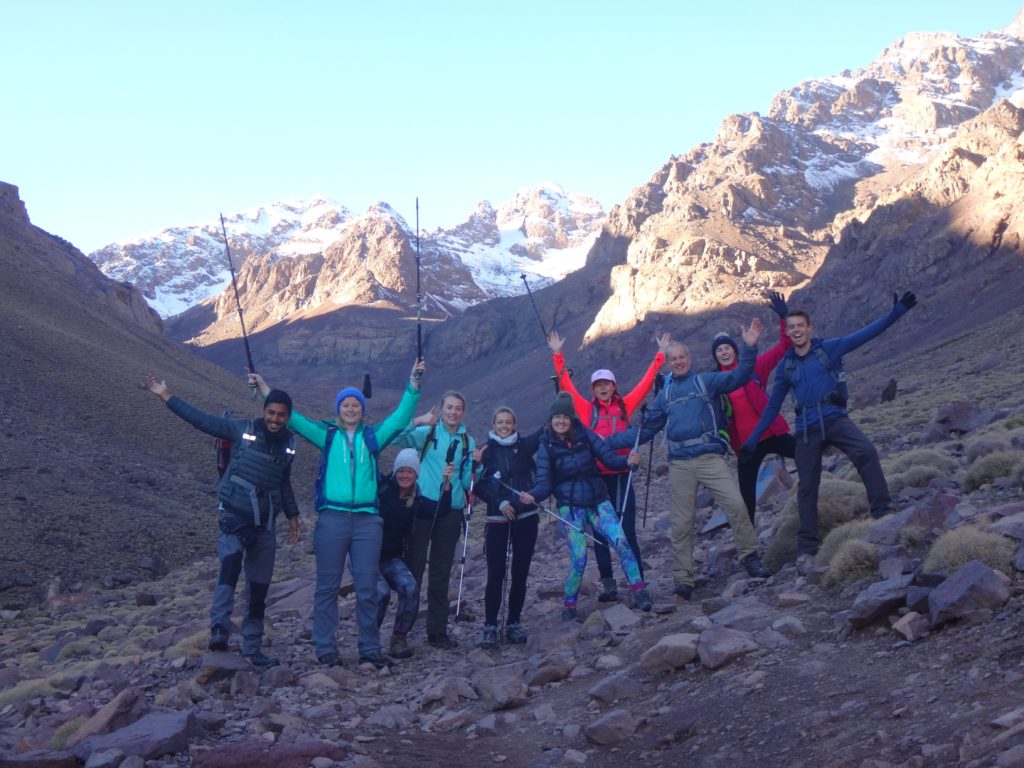
2025 Teaching team tbc
Expedition Structure, Content & Outline Itinerary & Toubkal Ascent
All teaching is delivered before returning to Marrakech. The content will be covered in/around the lodge or on the mountain treks and in the mountain refuge as appropriate and includes:
Lectures
Tutorials & discussion groups, cases
Team challenges
Acclimatisation treks
Practical tuition – medical & mountain skills
Faculty insight “career” lectures
Lecture & Practical Content
Planning and Pre-expedition considerations
• Expedition planning inc indemnity & medical screening
Mountain Medicine – lectures
• Altitude illness
• Hypothermia & cold injury, heat injury
Managing Injuries in the Field
• Trauma on expeditions
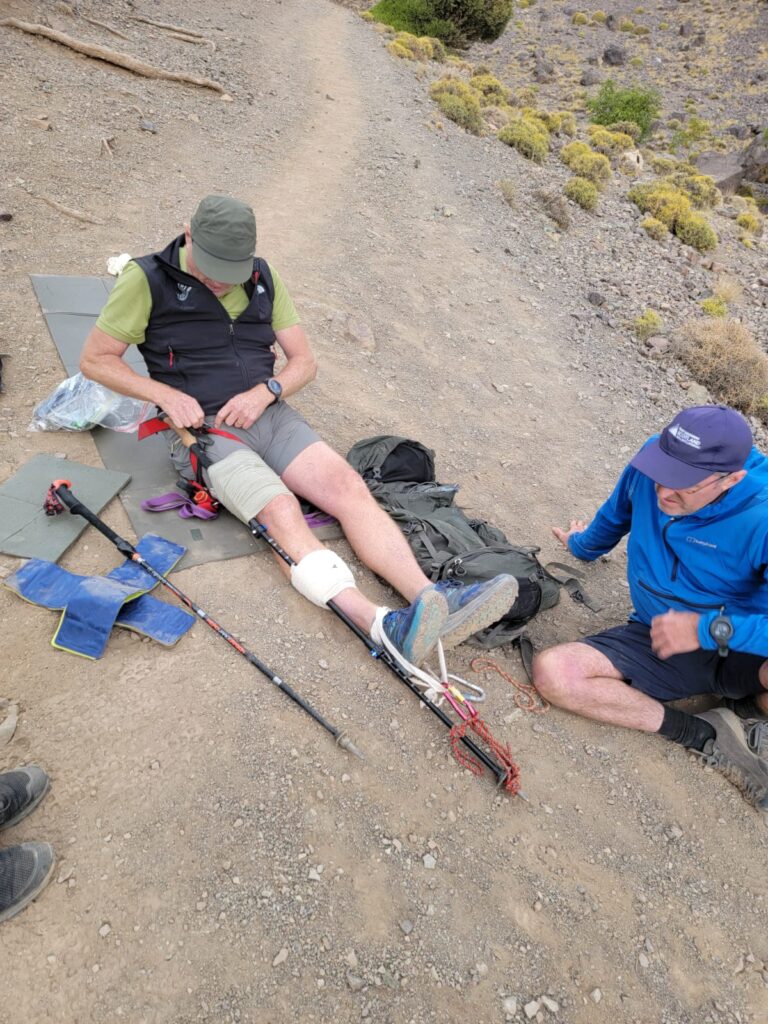
• Practical fracture management, improvised stretchers, patient packaging, working around helicopters
Mountain & Fields Skills
• Travelling light: kit selection, packing & waterproofing
• Navigation essentials: route planning, reading the terrain, use of map & compass
• Rope work & security on steep ground techniques, improvised abseil
• Using GPS & SOS devices
• Group catering
Discussion groups & tutorials
Expedition mental well-being
- Human factors & heuristics
- Medical kits – where to start?
- How to further a career in wilderness medicine?
Outline Itinerary & Toubkal Ascent
20-26 September 2024
Day 1
• Arrive Marrakech airport morning (or early afternoon latest) for group transfers provided to Imlil.
• Lunch & dinner included
• Welcome and course commencement.
Day 2
Acclimatisation trek and practical teaching sessions, afternoon lecture, pre-dinner lecture, dinner
Day 3
• Longer acclimatisation trek and practical teaching sessions, afternoon lecture, pre-dinner lecture, dinner
Day 4
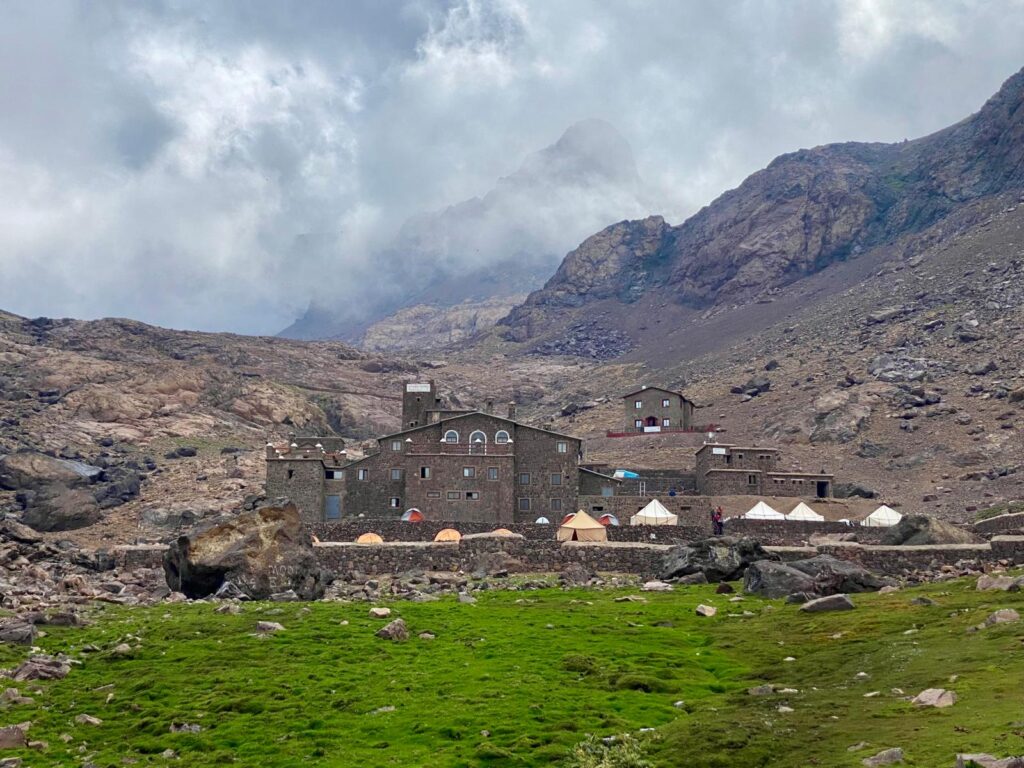
• Trek to mountain refuge starting from the VDT lodge at about 1800m – 9km on a good path to the refuge at 3207m – total ascent about 1400m. Mostly a gentle incline with a steep section in the middle. Estimated total time 6-8 hours. Rest on arrival then group work.
Day 5
• Ascend Toubkal – return to refuge, rest then group work. Refuge to summit 4167m over an estimated distance (one way) of 2.5km. Total ascent 960m. Estimated total return time to refuge 5-8 hours. It’s steeper and rockier than the previous day and on a less well defined path involving easy scrambling (hands on rocks) but no roped climbing. The Cicerone Guide to Trekking in the Atlas Mountains grades this trek as “strenuous”.
Day 6
• Descend to Imlil (collect left luggage), lunch
• Transfer to Marrakech hotel
• Final dinner together – feedback & formal farewells
Day 7
• Breakfast. Private sightseeing as time permits
• Transfer to airport as required (not included) – depart Morocco – or stay and play!
Accommodation & venues
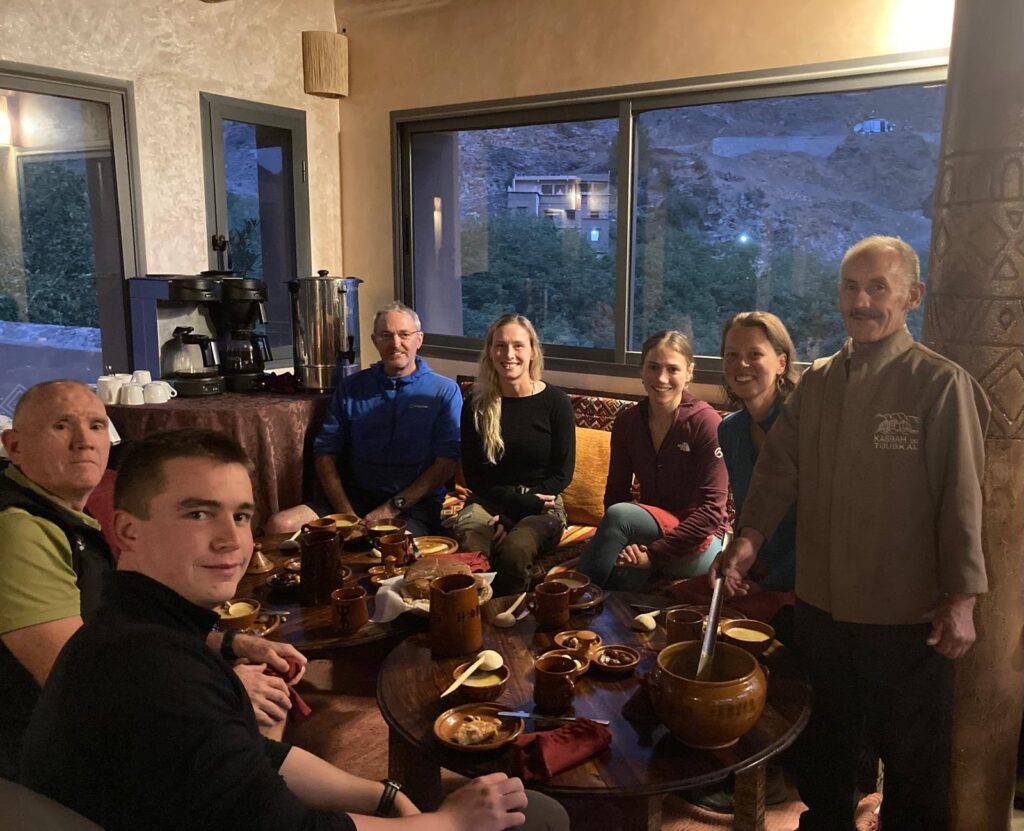
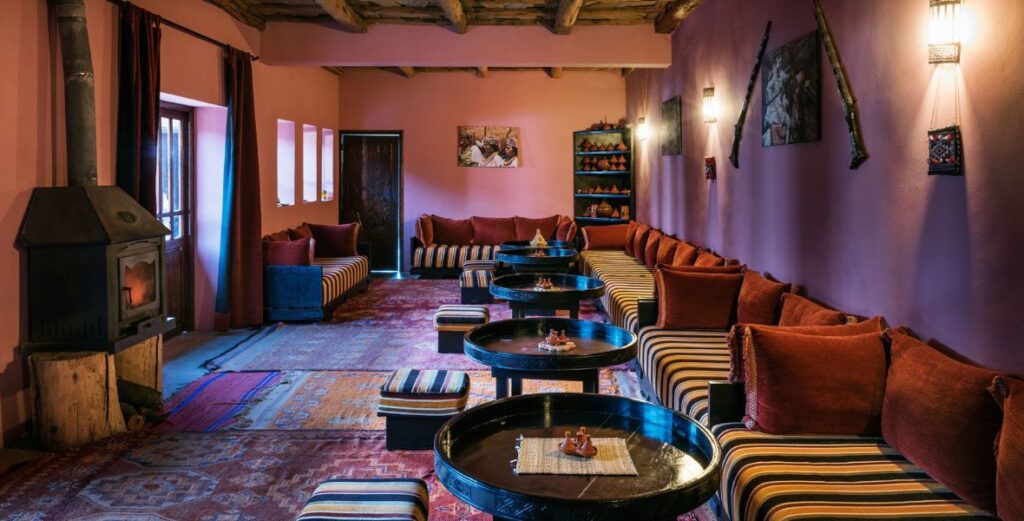
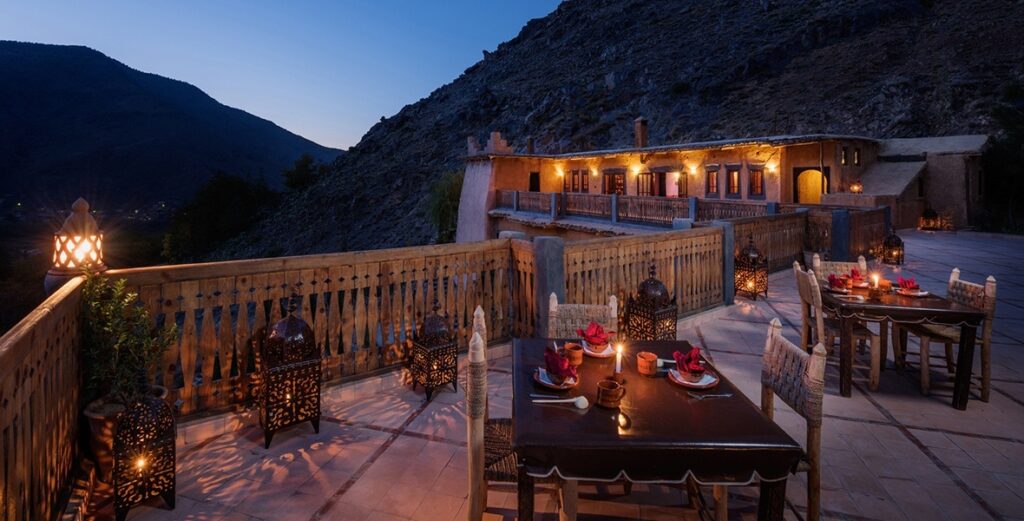
Delegates are always delighted and surprised at the high standard of accommodation and venues that we use. We spend the first three nights in the Hotel le Village du Toubkal lodge (VDT) and enjoy warm Berber hospitality and lovely food.
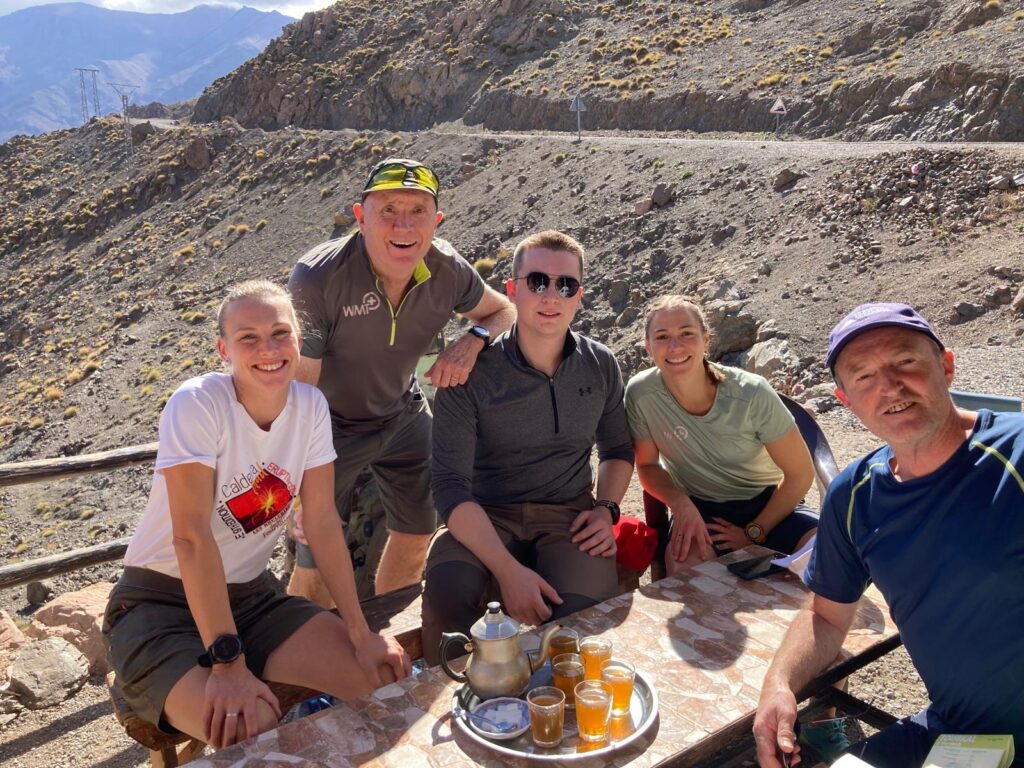
Then we spend two nights in the spacious Mouflon le Refuge Toubkal. There are log fires in the dining rooms. Blankets are provided. Bring a sleeping bag liner for added comfort. The food is plentiful, simple but tasty. Free flowing mint tea is available when we need it.
Marrakech hotel
Our final night is spent in the city in en suite twin or triple rooms. It’s as central as you can get to the main souk. We’ll have a final meal together close by.
What’s included & not included in the fee?
Included in the fee:
- pre-travel advice
- in-country programme, materials & use of group equipment
- WMT faculty instruction, support & supervision throughout
- 200+ page WMT Medic field manual
- guided Jbel Toubkal mountain ascent
- in-country travel: group transfers (from Marrakech Menera airport at designated times to Imlil, then back to our city hotel)
- 6 nights full board accommodation/all meals (shared rooms and mountain refuge)
- Marrakech hotel & final group dinner/breakfast on the last morning
- Anything NOT expressly mentioned is excluded such as flights, travel insurance, personal equipment, tips, some drinks, alcohol.
CPD
We estimate that this programme is valid for between 20-30 CPD hours.
Downloads
A pre-trip dossier is provided that is packed with detail, kit list and more travel advice.
Reference material / optional pre-course reading WMT pre-course reading bundle 2020
2 thoughts on “Morocco Mountain Medicine Expedition 2025 tbc”
Comments are closed.